
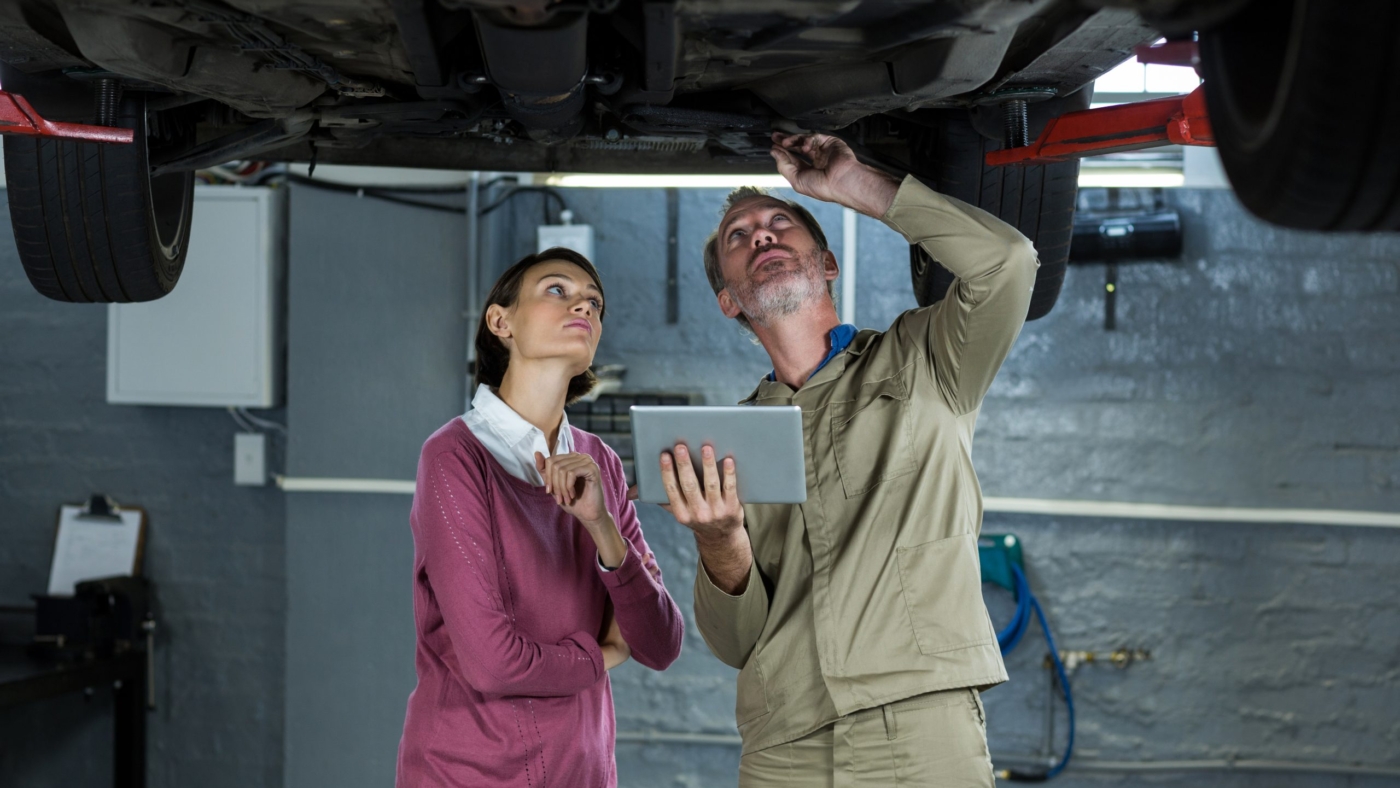
A vehicle's condition is shaped by thousands of small events: routine oil changes, tire replacements, brake inspections, repairs, fluid checks, and everyday driving conditions.
Keeping a maintenance history turns these separate events into a useful record. It helps owners understand what has already been done, identify recurring problems, and plan future service more effectively.
Why Records Are More Than Receipts
A service record provides a timeline of the vehicle's maintenance. It can show when important components were replaced, which fluids were used, and whether certain faults have appeared repeatedly.
This information is useful when discussing a problem with a technician. Instead of relying on memory, the owner can provide dates, mileage readings, and descriptions of previous repairs.
A detailed record may also help establish the vehicle's maintenance history when it is transferred to another owner.
What Should Be Recorded?
A useful maintenance log does not need to be complicated. It should include enough information to identify what happened and when.
| Record item | Details to include |
|---|---|
| Service date | When the work was completed |
| Mileage | Vehicle odometer reading |
| Service performed | Inspection, replacement, repair, or adjustment |
| Parts used | Part name and relevant specification |
| Fluids | Type and manufacturer specification |
| Findings | Wear, leaks, fault codes, or other observations |
| Next service | Recommended inspection or replacement interval |
Keep digital copies of invoices, inspection reports, and diagnostic results. Photographs of visible damage or unusual leaks may also provide useful context.
Follow the Manufacturer's Schedule, Not Guesswork
Maintenance intervals differ between vehicles and may depend on engine type, transmission design, operating conditions, and time.
The owner's manual or official service documentation should be the primary reference for scheduled maintenance.
Some vehicles use condition-based monitoring to estimate when certain services are needed. These systems can be useful, but they do not necessarily replace every inspection or time-based replacement specified by the manufacturer.
Severe operating conditions may also require more frequent attention. Repeated short journeys, dusty environments, heavy loads, towing, or extended idling can affect service requirements.
Separate Preventive Maintenance from Repairs
Preventive maintenance involves planned actions intended to keep systems operating correctly. Examples include oil changes, filter replacement, scheduled fluid service, and inspections.
Repairs address a fault or damaged component. Examples include replacing a leaking radiator, repairing a failed alternator, or correcting a suspension problem.
Keeping these categories separate makes the history easier to understand. It also helps identify whether a recurring issue is connected to an earlier repair.
Plan for Wear Items
Some vehicle components are expected to wear gradually. Brake pads, tires, filters, wiper blades, and certain belts may need replacement at intervals determined by use and condition.
Rather than waiting until a component fails, inspections can help estimate when replacement may become necessary.
However, estimated replacement timing should never override visible damage, warning signals, or manufacturer requirements.
Ask Clear Questions During Service
A maintenance visit is more useful when the findings are explained clearly. Ask which components were inspected, whether any wear was observed, and which repairs are essential versus items that can be monitored.
A good service record should distinguish between work completed and recommendations that remain outstanding.
Maintenance as an Ongoing Process
A reliable vehicle history is built gradually. Each recorded inspection and repair contributes to a clearer understanding of the vehicle's condition.
Consistent documentation does not prevent every mechanical problem, but it makes maintenance more organized, supports better diagnostic decisions, and reduces uncertainty about the work a vehicle has received.